Caught in 4K (By a Robot): The AI Tools Quietly Dismantling Celebrity Fakery
Somewhere in a Los Angeles high-rise, a very expensive publicist is having a very bad quarter. Not because their client said something offensive, not because a paparazzi caught someone at a Raising Cane's at 2 a.m., but because a piece of software — cold, unfeeling, absolutely unbribable — just flagged their client's last forty-seven Instagram captions as statistically inconsistent with human writing patterns.
Welcome to the new frontier of celebrity exposure, where the threat isn't a leaked DM or a disgruntled assistant with a Substack. It's an algorithm. And unlike a tabloid editor, it doesn't accept lunch meetings.
The Machine That Smells Bullsh*t
Let's be clear about what we're actually talking about here. AI detection technology — originally developed to catch academic plagiarism and identify synthetic media — has quietly evolved into something far more culturally combustible. Tools like GPTZero, Originality.ai, and a growing ecosystem of forensic media analyzers can now cross-reference linguistic patterns, metadata anomalies, and pixel-level inconsistencies to determine, with increasingly eerie confidence, whether a piece of content was produced by an actual human or assembled by a team of ghostwriters, AI assistants, and digital fabricators.
The same tech that's getting college freshmen busted for ChatGPT-assisted essays is now being pointed directly at celebrity social media feeds. And the findings, at least according to researchers and digital forensics analysts who've started publishing their work publicly, are not flattering.
One independent analyst — who posts under a pseudonym because, quote, "I enjoy not being sued" — ran linguistic fingerprinting on the public social media output of a dozen major entertainers and found that several showed dramatic, inexplicable shifts in vocabulary complexity, sentence rhythm, and emotional register. The kind of shifts that don't happen when a real person grows or changes. The kind that happen when you fire one ghostwriter and hire a different one.
The Authenticity Arms Race Nobody Admitted Was Happening
Here's the uncomfortable context: the celebrity authenticity machine has been industrial-scale for years. We just collectively agreed not to say it out loud.
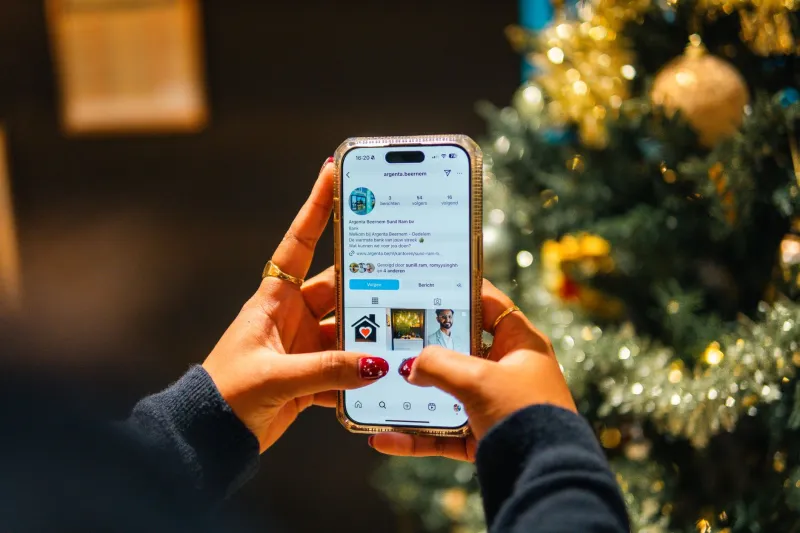
Publicists have been ghostwriting celebrity tweets since Twitter was called Twitter. Social media managers have been crafting "candid" Stories since Instagram introduced the feature. Entire agencies exist specifically to manufacture the feeling of parasocial intimacy — the late-night thoughts, the unfiltered opinions, the "just woke up like this" energy — for clients who are either too busy, too image-conscious, or frankly too boring to generate it themselves.
The implicit agreement between celebrities and their audiences was simple: don't ask, don't tell. Fans wanted to believe the parasocial relationship was real. Celebrities wanted the engagement numbers. Everyone looked the other way.
AI detection tools are the kid in the back of the class who keeps raising their hand.
Deepfakes, Candid Fabrication, and the Collapse of "Unscripted"
The written word is only part of the problem. Video forensics tools — some commercially available, others quietly circulating among journalists and researchers — can now identify deepfake manipulation in video content with a level of precision that would've seemed like science fiction five years ago. Lighting inconsistencies, unnatural blinking patterns, micro-expressions that don't quite match the emotional context: the tells are there, and the software is getting better at reading them faster than production teams are getting at hiding them.
This matters because the celebrity content ecosystem has increasingly leaned on "authentic" video moments as its premium product. The crying car video. The no-makeup kitchen confessional. The phone-propped-against-the-bathroom-mirror breakdown. These formats work because they signal rawness, access, humanity. The second the audience starts wondering whether a tearful apology video has been run through a smoothing filter and voice-modulated, the entire emotional transaction collapses.
Some talent agencies are reportedly already briefing clients on "detection-resistant content strategies." Which is a very clinical way of saying: here's how to fake authenticity in a way that doesn't get caught by the robot.
The Panicking Class
Who's actually worried? Industry insiders — speaking anonymously, obviously — suggest the anxiety is most acute among celebrities whose brands are most explicitly built on "realness." The ones who've spent years positioning themselves as the unfiltered alternative to Hollywood artifice. The ones with bestselling memoirs about their authentic journeys. The ones whose entire monetization strategy depends on the audience believing they're getting unmediated access to an actual person.
Because here's the brutal math: if your whole thing is being real, and a piece of software can demonstrate statistically that your "real" is actually a rotating team of contractors and AI tools, you don't just lose credibility. You lose the product. The brand doesn't survive that revelation the way a pop star's brand survives a bad album. It's not a setback. It's a category error.
Smaller creators are nervous for different reasons. The influencer economy runs on the perception of genuine recommendation and genuine personality. Detection tools that can identify AI-generated scripts or ghostwritten captions don't care about follower counts. They're equally happy to expose a mega-influencer or a mid-tier lifestyle creator who's been quietly outsourcing their "authentic voice" to a content agency in Ohio.
What "Real" Even Means Anymore
Here's where it gets philosophically messy, and honestly, kind of fascinating. The detection technology raises a question the entertainment industry has been successfully avoiding: is there a meaningful difference between a celebrity who personally crafts every post and one who approves every post crafted by a team that knows them intimately?
Is a ghostwritten caption less "authentic" if the ghostwriter spent three years studying their client's actual communication patterns and genuinely captured something true about them? Is a video "fake" if the emotion in it is real, even if the lighting was adjusted in post?
These aren't rhetorical softballs designed to let celebrities off the hook. They're genuine complications that the binary logic of AI detection doesn't fully account for. The tech can tell you how something was made. It can't tell you whether it's true.
But here's the thing: nuance has never been the internet's strong suit. The moment a detection tool flags a beloved celebrity's feed as "likely AI-assisted," the discourse isn't going to pause for epistemological reflection. It's going to be a pile-on. It's going to be a main character moment. It's going to be a very long week for someone's PR team.
The Only Way Out Is Through
The savvier people in the celebrity industrial complex are already drawing the obvious conclusion: the cat-and-mouse game between detection tech and fabrication tools is eventually unwinnable. The technology will keep improving. The forensic methods will keep getting more sophisticated. The margin for maintaining a fake-authentic persona without getting caught is going to keep shrinking.
Which means — and stay with us here, because this is genuinely wild — the actual long-term brand strategy might just be being real. Imperfect, inconsistent, occasionally boring, sometimes incoherent real. The kind of real that doesn't need to pass a Turing test because it's not trying to.
The algorithm knows you're fake. The audience, given enough time and enough tools, will too.
The only thing that's actually detection-proof is the truth. Which, in this industry, is arguably the most disruptive technology of all.